Source Diesel Truck Camshaft Bushing for Excavator Tractor Truck
Compare 30 listings for diesel truck camshaft bushing compatible with Komatsu, Yanmar, and Hino engines. Buyers can review specifications, pricing, and delivery times for excavator, tractor, and heavy truck applications.
Key considerations
Products List


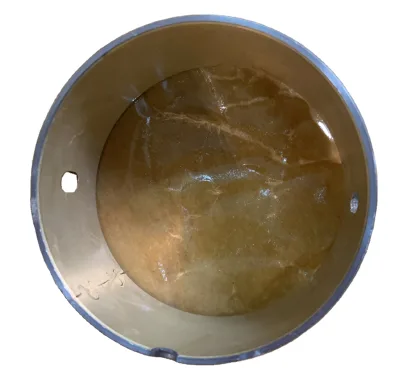


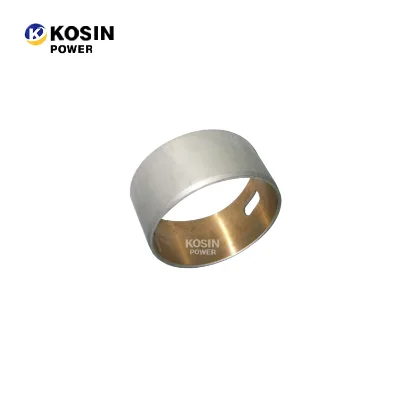


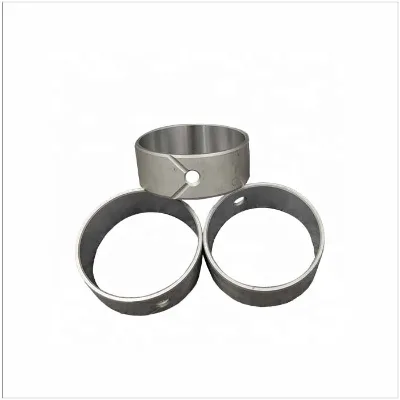


Comprehensive Sourcing Guide
Strategic Sourcing Guide for Diesel Truck Camshaft Bushing Acquisition
The global market for heavy-duty diesel engine components requires a disciplined approach to sourcing, particularly when targeting critical internal parts like camshaft bushings. These components are essential for maintaining the precise alignment and low-friction movement of the camshaft within the engine block, directly influencing engine longevity, oil consumption, and overall performance. For procurement professionals in the heavy truck, excavator, and tractor sectors, identifying the correct specifications and verifying supplier capabilities is paramount. This guide synthesizes available market data and technical requirements to provide a robust framework for sourcing diesel truck camshaft bushings without relying on unverified claims or specific vendor recommendations.
Technical Specifications and Model Compatibility
The first step in any successful procurement cycle is the precise identification of technical specifications. Camshaft bushings are not universal; they are engineered to fit specific engine architectures and manufacturer standards. In the current market, a wide array of engine models dictates the required dimensions and material properties. Data indicates that compatible engine models span a diverse range of manufacturers, including Komatsu, Yanmar, and Hino. Specific model numbers frequently encountered in sourcing databases include the 6D125, 4tnv94, J05e, 4tnv106, and 4tne88. These identifiers are critical because a mismatch in the internal diameter, outer diameter, or width can lead to catastrophic engine failure.
Furthermore, the material composition of the bushing is a primary technical differentiator. While some listings specify "Iron" as the base material, others denote "Metal" or "Casting" techniques, suggesting variations in manufacturing processes such as casting versus machining. The part number serves as the definitive link between the component and the engine. For instance, the part number 3901306 is explicitly associated with specific engine configurations, while other listings reference OE numbers like 3094716. Buyers must cross-reference these identifiers against their fleet's maintenance records. The engine model is equally vital; specifications list engines such as the 4b, ISM11, Qsm11, and M11 as applications. When sourcing, the buyer must ensure that the "Application Motor" field matches the exact engine type in the vehicle or machinery, as diesel truck camshaft bushings for a Hino engine will not fit a Yanmar unit, even if the physical dimensions appear similar.
Compliance, Certification, and Quality Standards
In the B2B heavy machinery sector, compliance with international standards is non-negotiable. Procurement teams must verify that suppliers adhere to recognized quality management and environmental standards. The market data reveals a cluster of certifications often associated with these components, including CE, ROHS, ISO, SGS, CCC, and ISO9001. These certifications indicate that the manufacturing process has undergone rigorous testing for safety, environmental compliance, and quality consistency. For example, the presence of CE and RoHS suggests the product meets European safety and hazardous substance restrictions, while ISO9001 confirms a certified quality management system.
However, buyers must exercise caution regarding the scope of these certifications. Not every listed product in a general catalog may carry every certification. The "Standard Component" designation implies a baseline of interoperability, but specific projects may require higher-grade certifications. Additionally, the "Standard Package" or "Neutral Packing Box" options often accompany these certifications, but the packaging itself does not guarantee the quality of the internal component. The "Quality" attribute is frequently listed as "Brand New" or "100% New," which serves as a basic condition indicator. Yet, true quality assurance relies on the supplier's ability to provide test results or traceability documents that align with the stated standards. Buyers should request documentation proving that the specific batch of bushings being purchased meets the ISO or SGS standards claimed, rather than accepting the certification status as a blanket attribute for the entire supplier's inventory.
Cost Drivers and Pricing Dynamics
Understanding the cost structure of diesel truck camshaft bushings is essential for budgeting and negotiation. The observed market price range in USD spans from 1 to 1000, a significant variance that reflects differences in material quality, manufacturing complexity, and brand positioning. This wide range suggests that the lowest price point may correspond to generic or lower-grade components, while the higher end likely represents OEM-equivalent parts with stricter tolerances and comprehensive certifications.
Several factors drive these costs. The "Technics" employed, such as "Push" or "Casting," influence the manufacturing cost. Casting processes may offer different cost efficiencies compared to precision machining. The "Material" choice, whether iron or specialized metal alloys, also impacts the final price. Additionally, the "Warranty" period, which is observed to be as short as 3 months in some listings, can be a proxy for the manufacturer's confidence in their product; longer warranties often correlate with higher initial costs but lower long-term risk.
The "Payment" terms, including T/T (Telegraphic Transfer), Western Union, and LC (Letter of Credit), also affect the financial dynamics of the transaction. Suppliers offering flexible payment terms may embed a risk premium into the unit price. Furthermore, the "MOQ" (Minimum Order Quantity) ranges from 1 to 100 units. Buyers purchasing single items may face higher per-unit costs compared to those ordering in bulk, where economies of scale can reduce the price. The "Single gross weight" of 1.000 kg and "Single package size" of 1x1x1 cm are logistical factors that influence shipping costs, which are often a hidden component of the total landed cost.
Typical Applications and Operational Context
The versatility of diesel truck camshaft bushings is evident in their application across various heavy-duty sectors. The "Application" field explicitly lists Excavator, Tractor, and Heavy Truck as primary use cases. This indicates that the component is designed to withstand the high-stress, high-torque environments typical of construction and agricultural machinery. The "Purpose" is clearly defined as "for replace/repair," highlighting its role in maintenance and overhaul scenarios rather than initial manufacturing.
The specific engine models mentioned, such as the ISM11 and Qsm11, are commonly found in heavy-duty trucks and industrial equipment. These engines operate under demanding conditions where the camshaft must maintain precise timing and reduce friction under high loads. The "Engine Type" is consistently identified as "Diesel Engine," confirming that the bushings are engineered for the specific lubrication and thermal characteristics of diesel combustion. Buyers should note that while the "Export Markets" are listed as "Global," the specific suitability of a bushing for a particular truck model depends on the engine architecture. A bushing designed for a Yanmar engine in a compact tractor may not be suitable for a Hino heavy truck, even if both are diesel engines. Therefore, the operational context must be matched precisely to the engine model and application type.
Supplier Evaluation and Lead Time Management
Selecting the right supplier involves more than just comparing prices; it requires a thorough evaluation of their logistical capabilities and reliability. The "Delivery Time" is a critical metric, with observed ranges varying from 5 days to 15 work days after order confirmation. Some listings specify a "7 Days" delivery window, while others extend to "10-15 Work Days." These variations can significantly impact production schedules and fleet downtime. Buyers must clarify the exact lead time for their specific order, as "5 days" might apply only to stock items, whereas custom or specific model orders may require the longer 10-15 day window.
The "Place of Origin" and "Prod Origin" are also key indicators of supply chain transparency. While some data points to "China" (specifically Hubei), others list "Andorra," which may indicate a re-export or a specific distribution hub. Buyers should verify the actual manufacturing location to ensure compliance with import regulations and to assess the quality control environment. The "Product Name" and "Brand Name" fields, sometimes listed as generic terms like "1" or "Standard Component," suggest that many suppliers operate as generic distributors. In such cases, the buyer's due diligence must focus on the supplier's ability to verify the origin and quality of the goods they distribute. The "Payment Term" options, such as T/T, LC, or Western Union, also provide insight into the supplier's financial stability and trustworthiness.
Quality Control and Long-Term Procurement Strategy
Ensuring long-term reliability requires a robust quality control strategy. The "Condition" is typically listed as "New," but this is a self-reported attribute. To mitigate risk, buyers should implement a verification process that includes checking for "Standard Component" status and ensuring that the "Quality" claims are backed by the aforementioned certifications. The "Warranty" of 3 months is a baseline; buyers should negotiate for extended warranties if the component is critical to their operations.
For long-term procurement, consistency is key. The "Standard Package" and "Neutral Packing Box" options suggest that packaging may vary, which could affect the protection of the component during transit. Buyers should specify packaging requirements to prevent damage. Additionally, the "Technics" of "Casting" or "Push" should be verified to ensure the manufacturing method aligns with the required durability. A strategic approach involves building a relationship with suppliers who can consistently provide parts that meet the specific "Model No" and "Part No" requirements, such as 3901306 or 6CT. By maintaining a clear record of specifications and verifying certifications like ISO9001 and CE for every batch, buyers can minimize the risk of premature failure and ensure the longevity of their diesel truck fleets.
Comparative Analysis of Sourcing Attributes
To facilitate decision-making, the following table summarizes the key attributes observed in the market for diesel truck camshaft bushings. This comparison highlights the variability in specifications, lead times, and compliance standards that buyers must navigate.
| Attribute Category | Observed Variations | Key Verification Points |
|---|---|---|
| Engine Compatibility | Komatsu, Yanmar, Hino; Models: 6D125, 4tnv94, J05e, 4tnv106, 4tne88, 4b, ISM11, Qsm11, M11, 6CT | Match exact engine model and part number (e.g., 3901306, 3094716). |
| Material & Technics | Iron, Metal; Technics: Push, Casting | Verify material grade and manufacturing process suitability for high-load applications. |
| Certifications | CE, ROHS, ISO, SGS, CCC, ISO9001 | Request specific certification documents for the batch, not just general claims. |
| Lead Time | 5 Days, 7 Days, 10-15 Work Days | Confirm exact delivery window relative to order confirmation date. |
| Pricing & MOQ | Price: $1-$1000; MOQ: 1-100 | Assess total landed cost including shipping and potential bulk discounts. |
| Origin & Logistics | China (Hubei), Andorra; Packing: Neutral, Original, Standard | Verify actual manufacturing origin and packaging integrity for transit. |
| Warranty & Condition | 3 Months Warranty; Condition: New, Brand New, 100% New | Clarify warranty terms and return policies for defective items. |
In conclusion, sourcing diesel truck camshaft bushings requires a meticulous approach that balances technical precision with supply chain reliability. By focusing on exact model compatibility, verifying certifications, understanding cost drivers, and managing lead times effectively, procurement professionals can secure high-quality components that ensure the continued performance of their heavy-duty fleets. The diversity in the market offers options, but the responsibility lies with the buyer to filter through the data and select the components that best meet their specific operational needs.
FAQs
Which engine models are compatible with these camshaft bushings?
Compatible models include Komatsu 6D125, Yanmar 4tnv94, and Hino J05e. Specific part numbers like 3901306 and 3094716 must be cross-referenced to ensure the bushing fits the exact engine architecture and prevents catastrophic failure.
What certifications do the manufacturers typically hold?
Manufacturers often hold CE, ROHS, ISO, SGS, CCC, and ISO9001 certifications. These standards indicate compliance with safety and quality management systems, though buyers should verify that specific batches meet these claimed standards rather than assuming blanket coverage.
How long does delivery take after order confirmation?
Delivery times range from 5 days to 15 work days depending on the supplier. Some listings specify 7 days for stock items, while others require 10 to 15 work days for confirmed orders, impacting fleet downtime schedules significantly.
What materials are used to manufacture these bushings?
Materials typically include iron or metal, with manufacturing techniques such as casting or push methods. The specific material choice influences durability and cost, requiring buyers to verify the grade suitable for high-load diesel engine applications.
Can I find these parts with a warranty included?
Some listings offer a 3-month warranty for brand new or 100% new condition parts. This warranty period serves as a baseline for product confidence, but buyers should negotiate extended terms for critical components to mitigate long-term operational risks.
What are the payment terms for purchasing these components?
Accepted payment methods include T/T, Western Union, and LC. Suppliers may offer flexible terms, but buyers should be aware that different payment options can affect the unit price and financial risk associated with the transaction.